Hours, prices and access verified by the Longji Rice Terraces Tours team — last checked August 28, 2026
The Dragon’s Backbone through the seasons — water and green
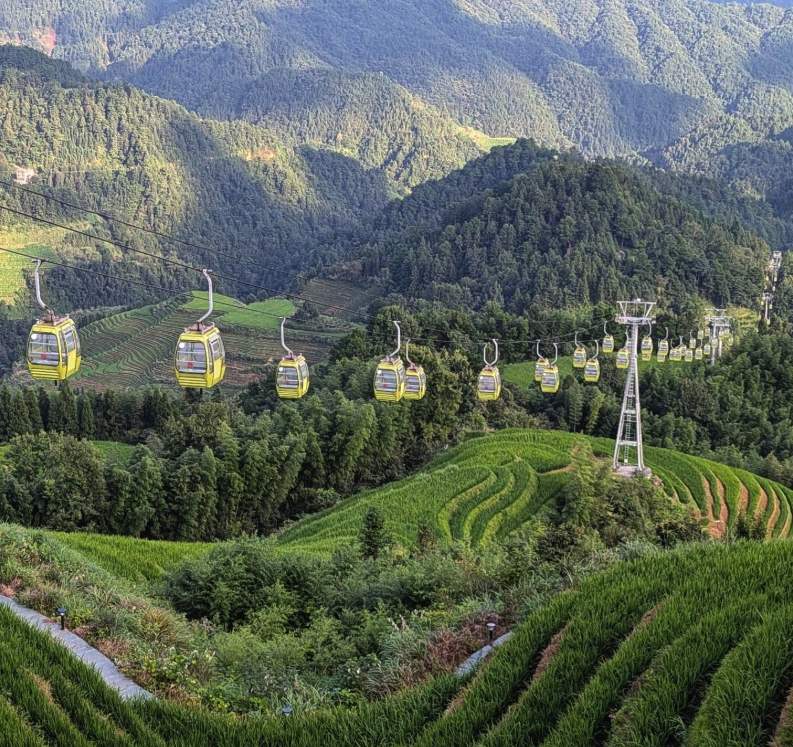
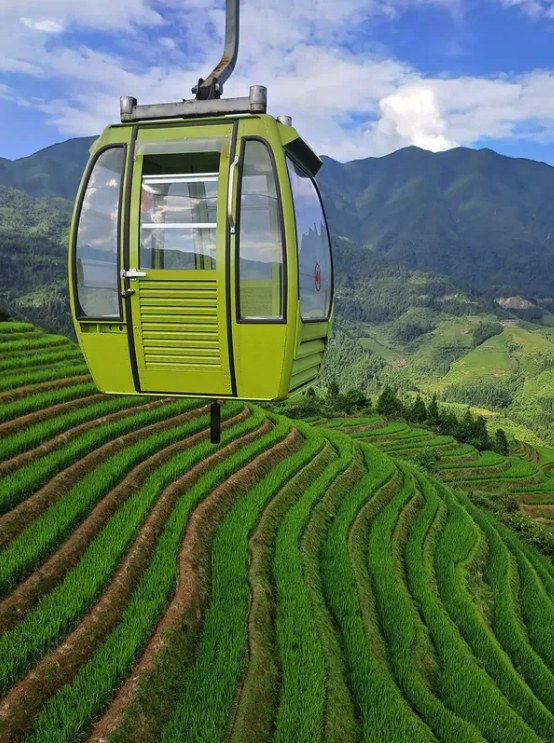
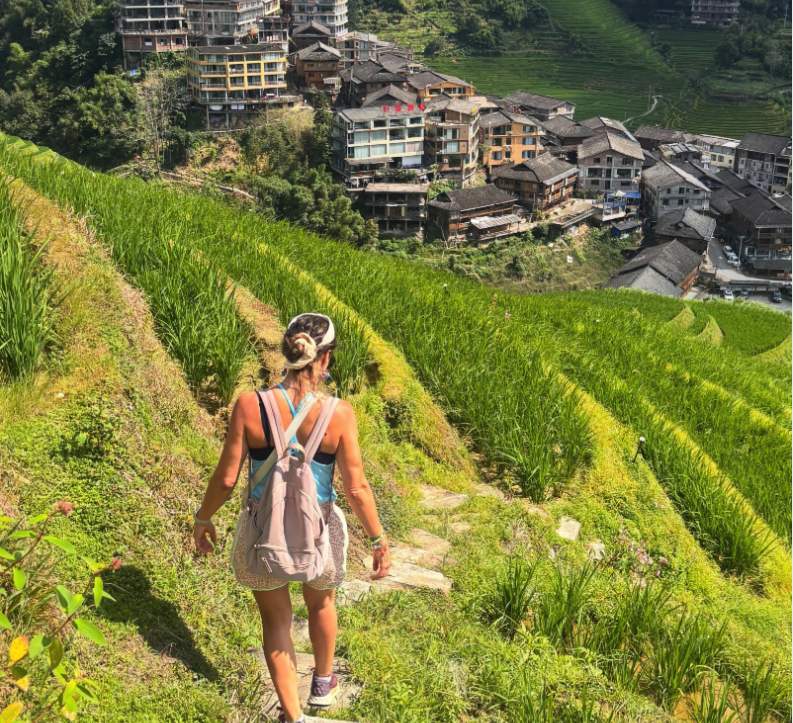
and gold, the villages between the fields, the ropeway over Jinkeng, and the terrace
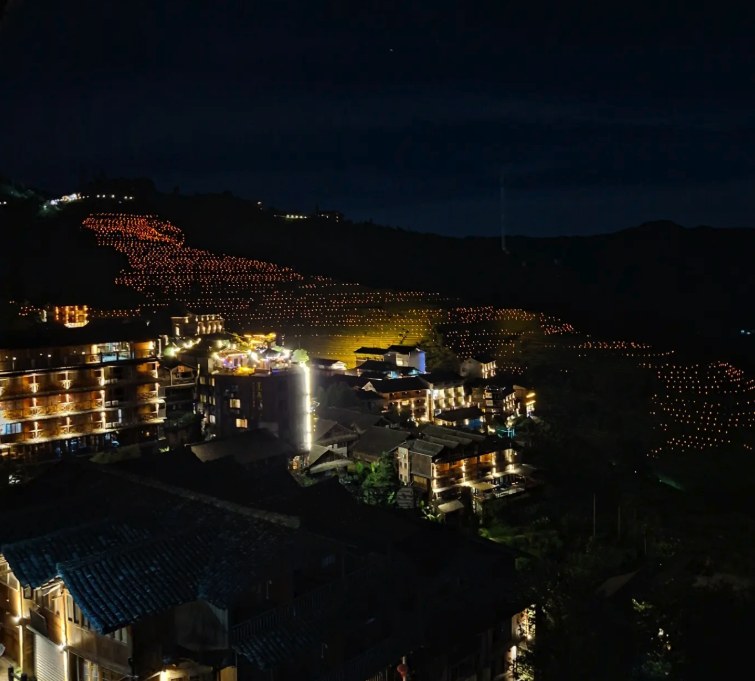
lines lit after dark.
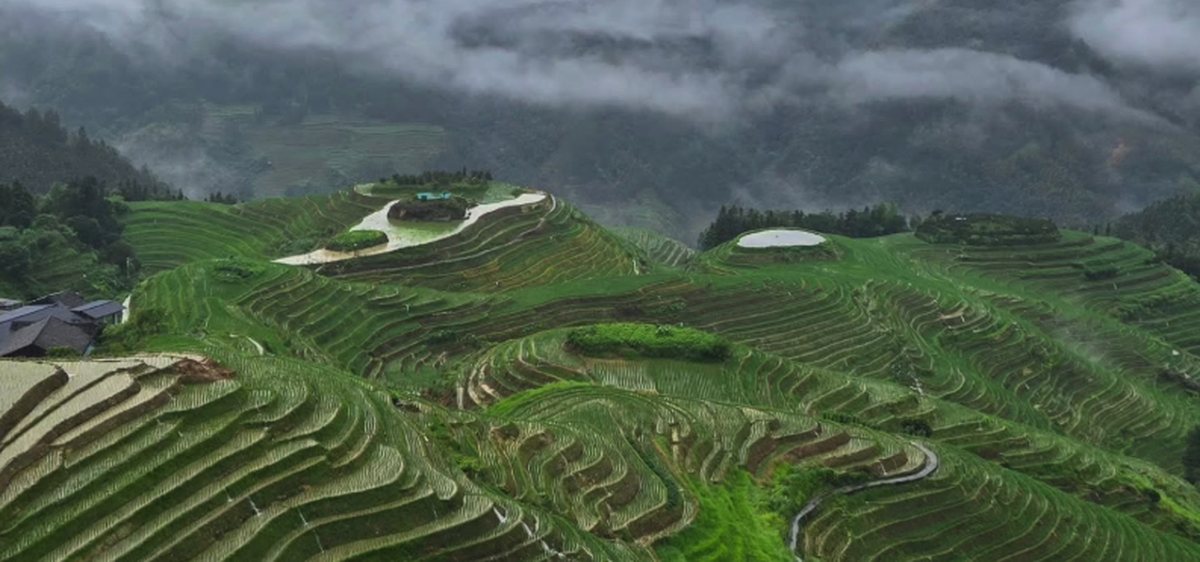
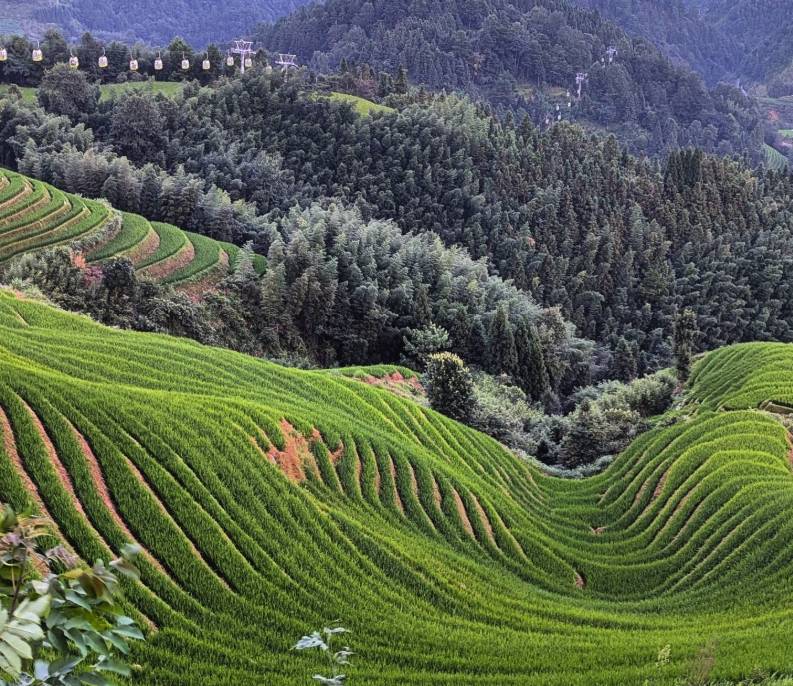
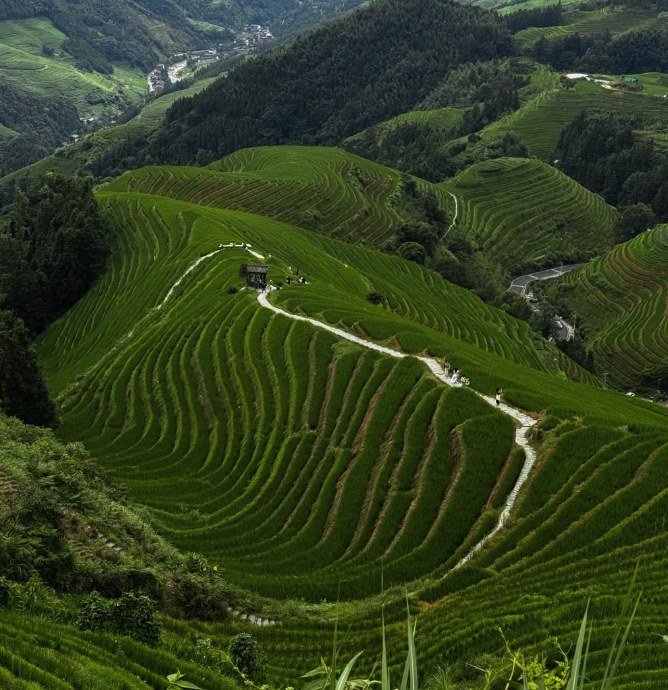
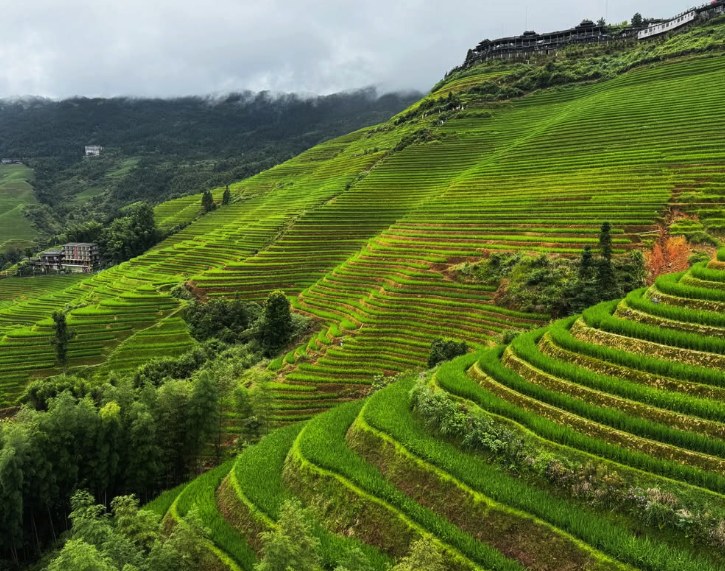
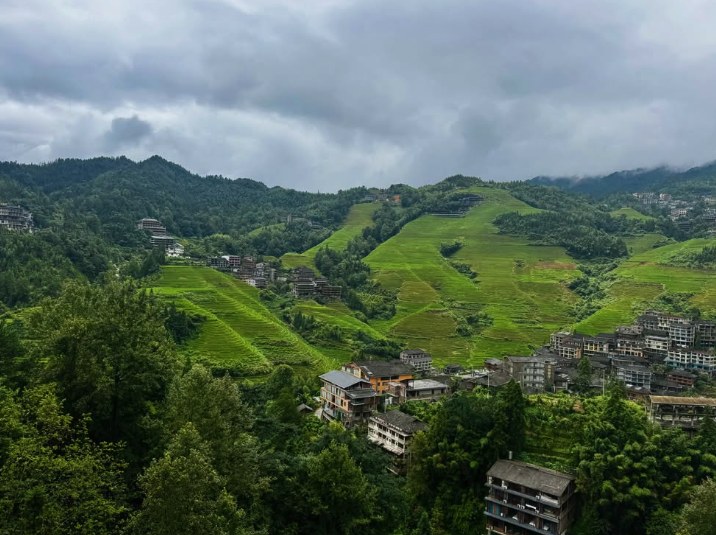
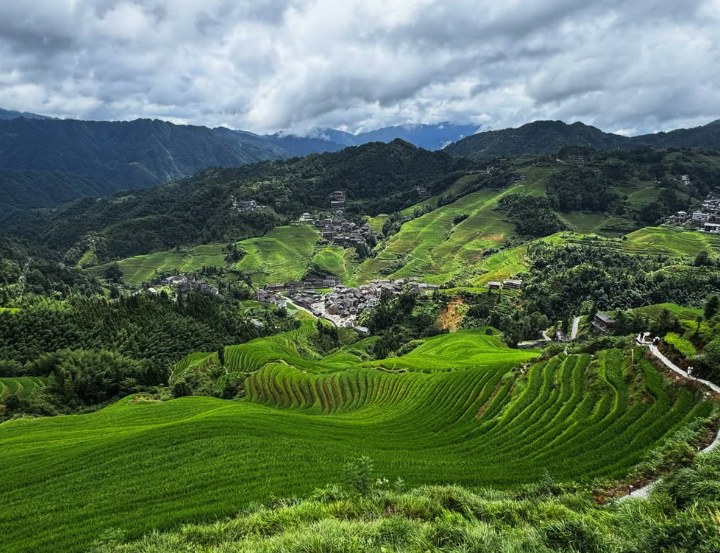
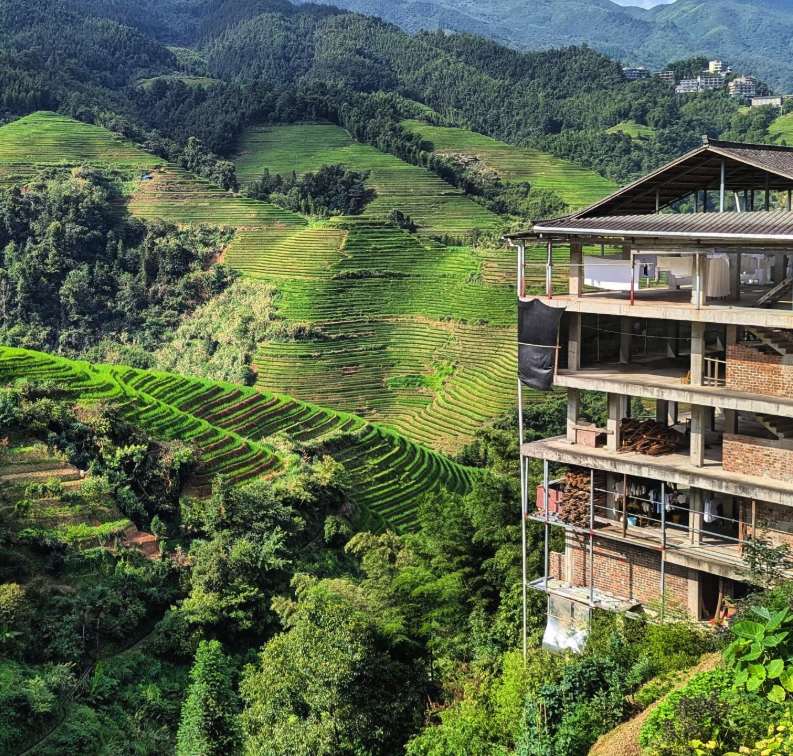
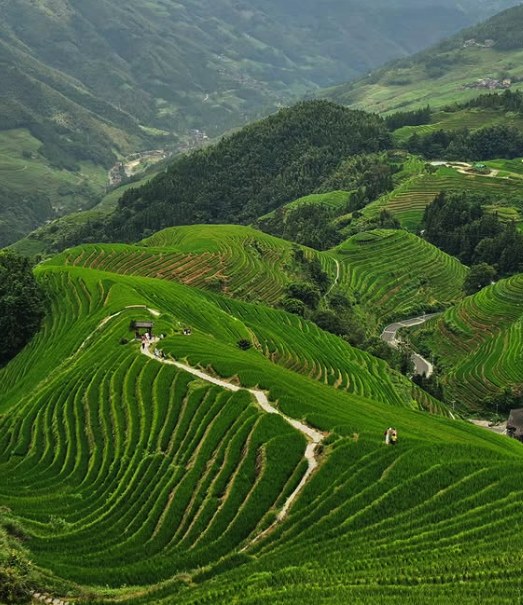
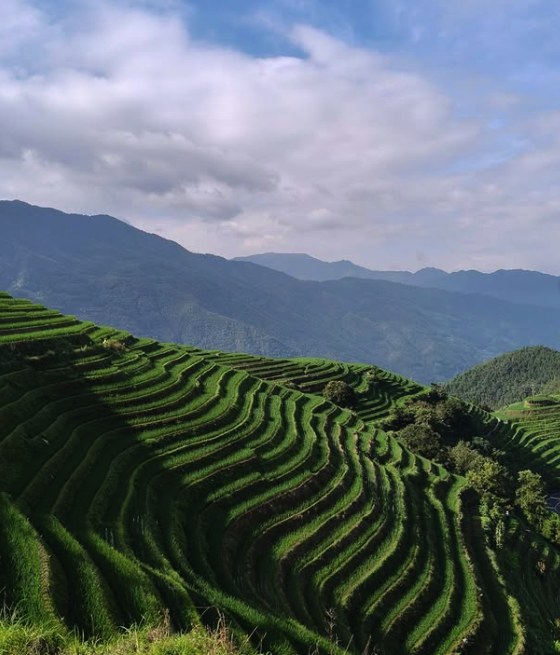
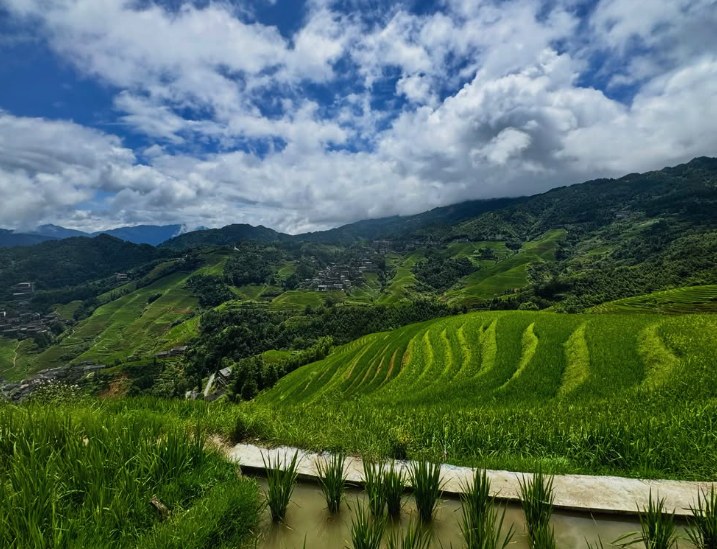
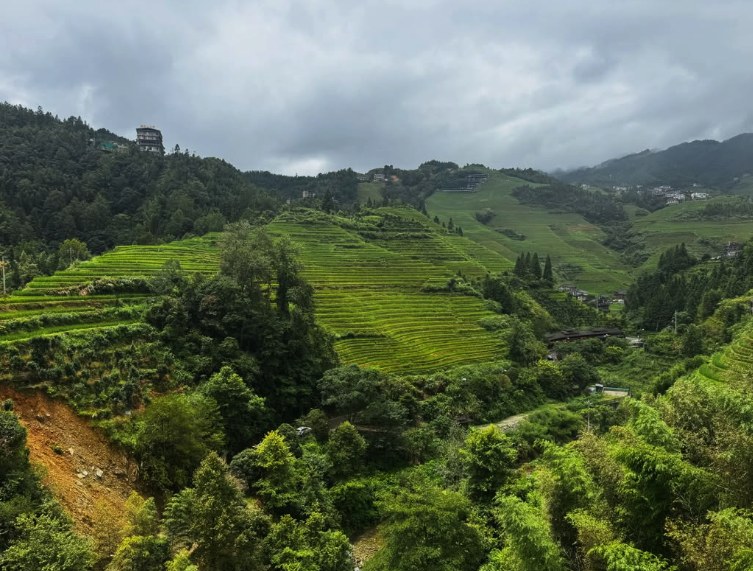
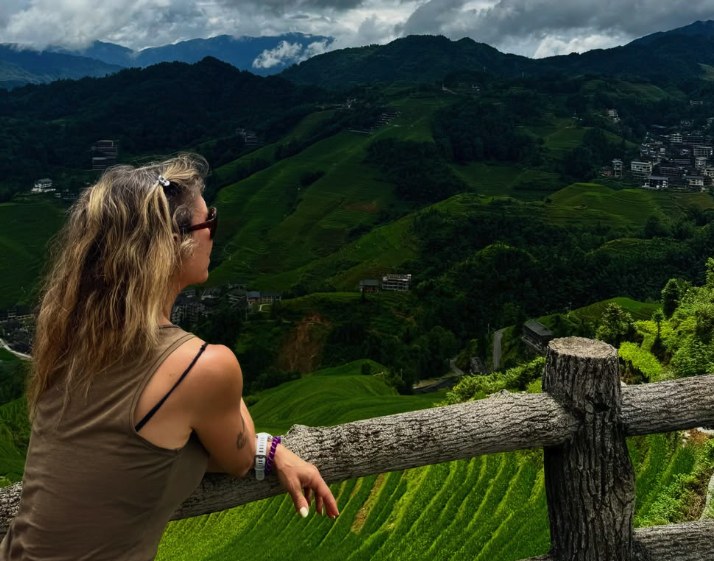
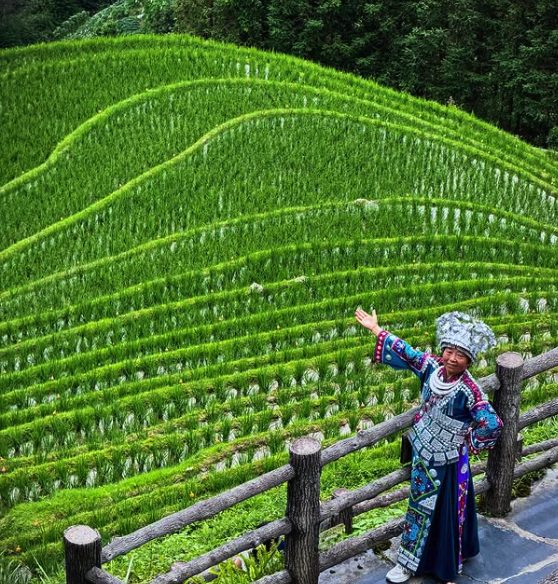
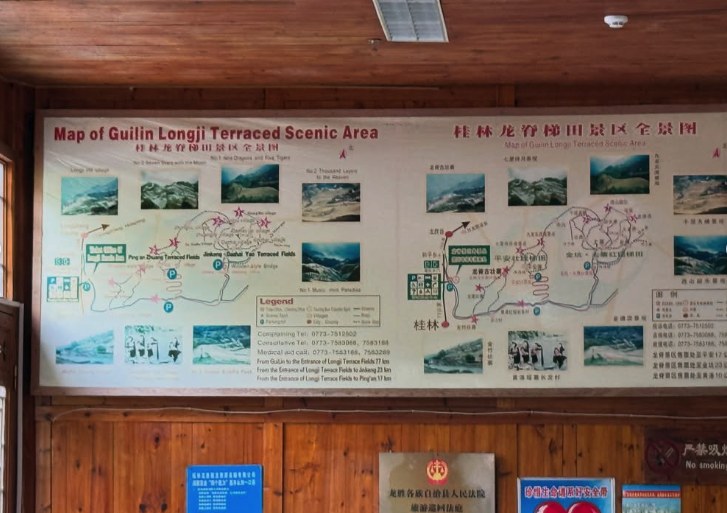
The contours read as one continuous line from a distance. Close up they are several hundred separate paddies, each with its own water level.July and August, when the rice is at its tallest and the whole slope is one colour.The paths are stone steps rather than trails, which is what makes the walk steady rather than steep.Late summer, with the first yellow starting at the top of the slope where the rice ripens earliest.The Dazhai ropeway crosses the bowl to Golden Buddha Peak. It is charged separately from the scenic-area ticket.Cabins run continuously rather than to a timetable, so the queue moves even when it looks long.Ping’an from above, on the way down. The village is built along the contour, so almost every guesthouse has the same view.The terrace lines are lit after dark. It is the one reason to consider staying the night rather than driving back to Guilin.Cloud sits low in the valley for much of the year, and it clears from the top down rather than all at once.The villages sit at the break of slope: forest above them, water and paddy below.New guesthouses go up on the edge of the fields every season. The paddies immediately below them are still worked.From the ridge you can see the next valley of terraces, and the one after that.The paddies are cut between 300 and 1,100 metres, which is why the same slope ripens over several weeks.A single flooded paddy at the top of the slope. In spring the whole hillside looks like this.Grey days flatten the contrast and bring out the water. They are also the quietest days on the platforms.Every platform has a timber rail like this one, and every one of them faces a different way down the valley.Silver and indigo, at the edge of the fields. Several minority groups farm these valleys and their dress is not the same.The board at the entrance carries the distances everything else guesses at: 77 km from Guilin, 23 km on to Jinkeng, 17 km to Ping’an.
Most of these frames come from the two numbered platforms above
Ping’an and the three around the Jinkeng bowl —
the walks and viewpoints gives the climb to each one, and
the month-by-month guide says which weeks give you
water, green or gold.
Want to stand where these were taken?
The platforms in these photographs are reachable on a day out of Guilin, and the tours are set out by which valley they go to and how long they stay.